Walksilent Font: Elegant Script for Web Design
As a web designer, choosing the right typeface is crucial for creating a strong visual identity. Walksilent stands out as a versatile script font that blends charm with elegance, making it ideal for digital projects that require a handwritten touch. Whether you're designing a website, app interface, or social media graphic, Walksilent adds a refined personality to your work.
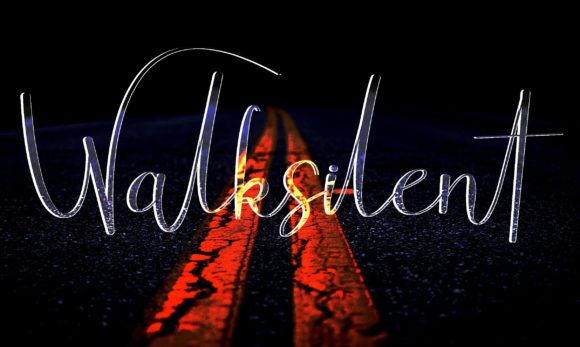
Walksilent belongs to the Script Amp category of fonts and offers a natural, flowing style that mimics real handwriting. Its soft curves and subtle variations give it an authentic feel, perfect for branding elements that need a personal, artistic flair. The font's design ensures readability while maintaining a distinctive character, making it suitable for both decorative and functional use in web design.
Using Walksilent in Digital Layouts
Web designers often rely on fonts like Walksilent to create visual hierarchy and brand tone. In hero sections, this font can draw attention without overwhelming the user. Its fluidity makes it ideal for headlines, call-to-action buttons, and short phrases that need a stylish presentation. For example, a creative portfolio site might use Walksilent for the main title, pairing it with a clean sans serif for body text to balance aesthetics and usability.
In online stores, Walksilent can elevate banners and product headings. A boutique e-commerce site selling handmade goods could use the font for section headers, adding a sense of craftsmanship and authenticity. When used in small sizes, such as on mobile buttons or navigation menus, Walksilent remains legible thanks to its well-proportioned letterforms.
Brand Identity and User Engagement
Brand identity is deeply tied to typography, and Walksilent offers a unique way to express a brand’s voice. Its elegant, handwritten style conveys professionalism and creativity, making it a great choice for coaching websites, blog headers, or course sales pages. The font’s personality helps build trust with users, especially when paired with a modern, clean layout.
For landing pages focused on conversions, Walksilent can be used in CTA buttons or subheadings to guide users through the funnel. Its visual appeal encourages engagement without sacrificing clarity. On dark backgrounds or image overlays, the font maintains contrast and readability, ensuring that key messages remain visible and impactful.
Best Use Cases for Walksilent
Walksilent excels in scenarios where a personal, artistic touch is needed. It works best as a display font for headings, logos, and decorative accents rather than body text. For instance, a digital brand kit might include Walksilent for logo design, while a more neutral sans serif handles the rest of the content. This combination creates a balanced, professional look that’s easy to read across different devices.
When designing a blog header or social media graphic, Walksilent can add a unique visual element that sets the tone for the content. Its versatility allows it to fit into various design styles, from minimalist to editorial. Pairing it with a serif font like Georgia or a modern sans serif like Open Sans can create a dynamic contrast that enhances the overall layout.
Practical Tips for Web Designers
When using Walksilent in responsive layouts, consider how it scales on different screen sizes. At smaller sizes, ensure that the font doesn’t become too thin or hard to read. Testing it on mobile screens and dark mode backgrounds is essential to maintain legibility. For online stores, using Walksilent on product titles or promotional banners can help differentiate the brand from competitors.
Font pairing is another important consideration. Combining Walksilent with a simple, readable font ensures that the design remains accessible. For example, a SaaS landing page might use Walksilent for the main headline and a sans serif for the supporting copy. This approach keeps the design cohesive while maintaining a clear visual hierarchy.
Commercial Licensing and File Formats
Before using Walksilent in client projects or commercial websites, check the licensing terms. Most premium fonts come with specific permissions for web use, which may include embedding via Google Fonts or custom webfont services. Ensure that the font includes all necessary file formats, such as WOFF, WOFF2, and TTF, for optimal performance across browsers and devices.
Walksilent may also offer multiple weights or alternates, allowing for greater flexibility in design. These variations can be useful for creating subtle typographic contrasts within a layout. Additionally, if the font supports multilingual characters, it can be a valuable asset for global brands or international audiences.
Conclusion
Walksilent is a powerful tool for web designers looking to add a touch of elegance and personality to their digital projects. Its flowing script style enhances visual hierarchy, supports brand identity, and improves user engagement. Whether used in headers, logos, or decorative elements, this font brings a refined, handwritten quality that complements modern web design trends.
By understanding how to use Walksilent effectively, designers can create visually compelling experiences that resonate with their audience. From creative portfolios to online stores, the font’s versatility makes it a valuable addition to any digital toolkit.